
Dubai Metro Blue Line Property Investment: Route, Timeline and Why It Matters
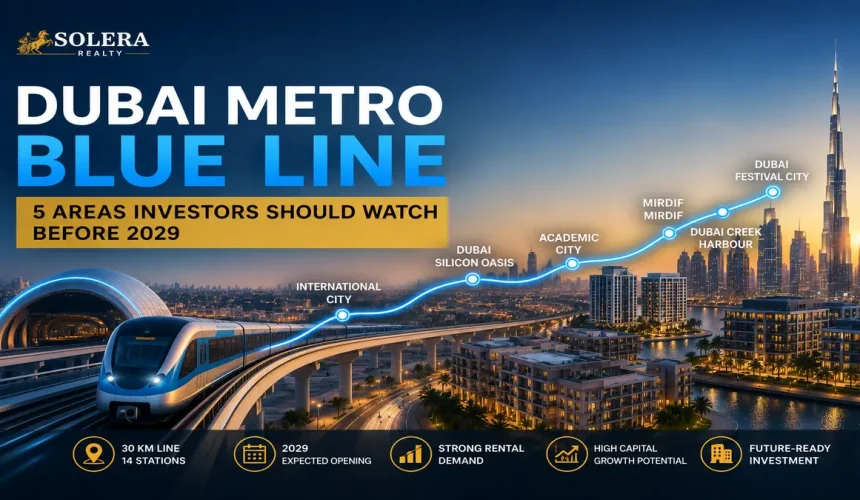
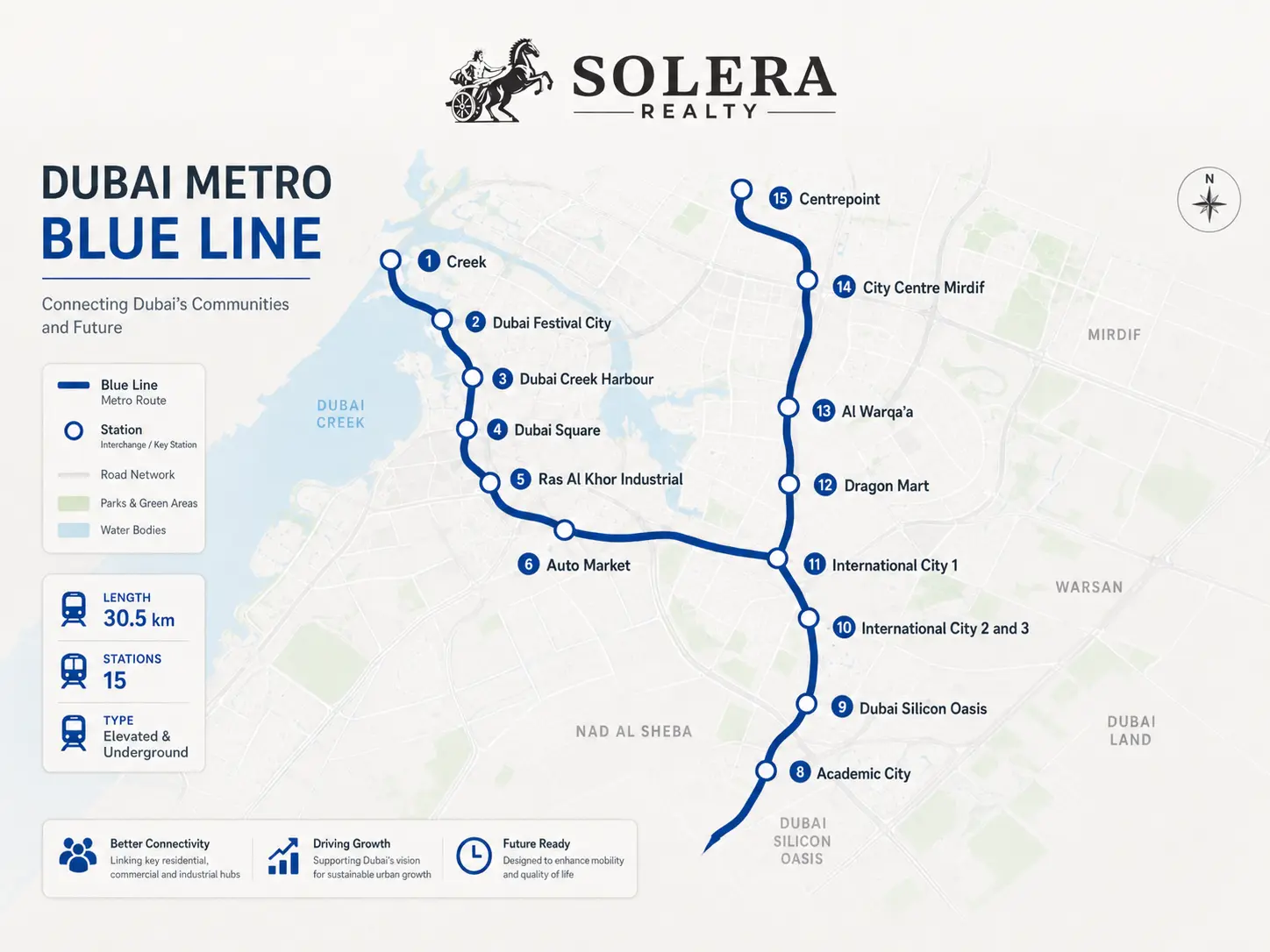
The Dubai Metro Blue Line is an AED 20.5 billion, 30 km project with 14 stations, including three interchange stations. According to the RTA’s official Dubai Metro Blue Line project page, the route will serve Dubai Festival City, Dubai Creek Harbour, International City, Dubai Silicon Oasis, Academic City, Mirdif and Al Warqa. In addition, it will connect with the existing Red and Green lines.
Meanwhile, the opening is scheduled for 9 September 2029. Looking ahead, RTA expects around 200,000 daily users in 2030 and 320,000 by 2040, while the project’s economic benefits are estimated to exceed AED 56.5 billion by 2040.
RTA also projects that land and property values around stations could rise by up to 25%, but this is not a guaranteed return for any individual property.
How We Ranked Areas Near Dubai Metro Blue Line
This ranking measures today’s proposition; it does not predict which area will appreciate most by 2029.
The Solera Blue Line Investment Score weighs:
| Investment Factor | Weight |
|---|---|
| Current entry price/value | 25% |
| Rental demand and gross yield | 25% |
| Blue Line station connectivity | 20% |
| Existing infrastructure | 15% |
| Future supply/competition risk | 10% |
| Investor/liquidity profile | 5% |
Property Finder figures use its last 12 months of listing data, so they are asking-market indicators rather than Dubai Land Department transaction prices. Specific units should be checked against DLD data before purchase.
5 Areas to Watch for Dubai Metro Blue Line Property Investment
| Rank | Area | Avg. Apartment Price | Gross Yield Indicator | Blue Line Case | Investor Type |
|---|---|---|---|---|---|
| 1 | International City | AED 562K | 8.3% | Major interchange, low entry | Yield/value |
| 2 | Dubai Silicon Oasis | AED 1.17M | 8.5% | Direct station + mature ecosystem | Balanced |
| 3 | Mirdif | AED 2.27M | 6.21% | New rail access in family district | Family/end-user |
| 4 | Dubai Creek Harbour | AED 2.89M | 5.65% | Landmark waterfront station | Premium/long-term |
| 5 | Dubai Festival City | AED 3.16M | 4.94% | Direct access + mature infrastructure | Higher-budget |
1. International City – Best for Low Entry Price and Rental Yield
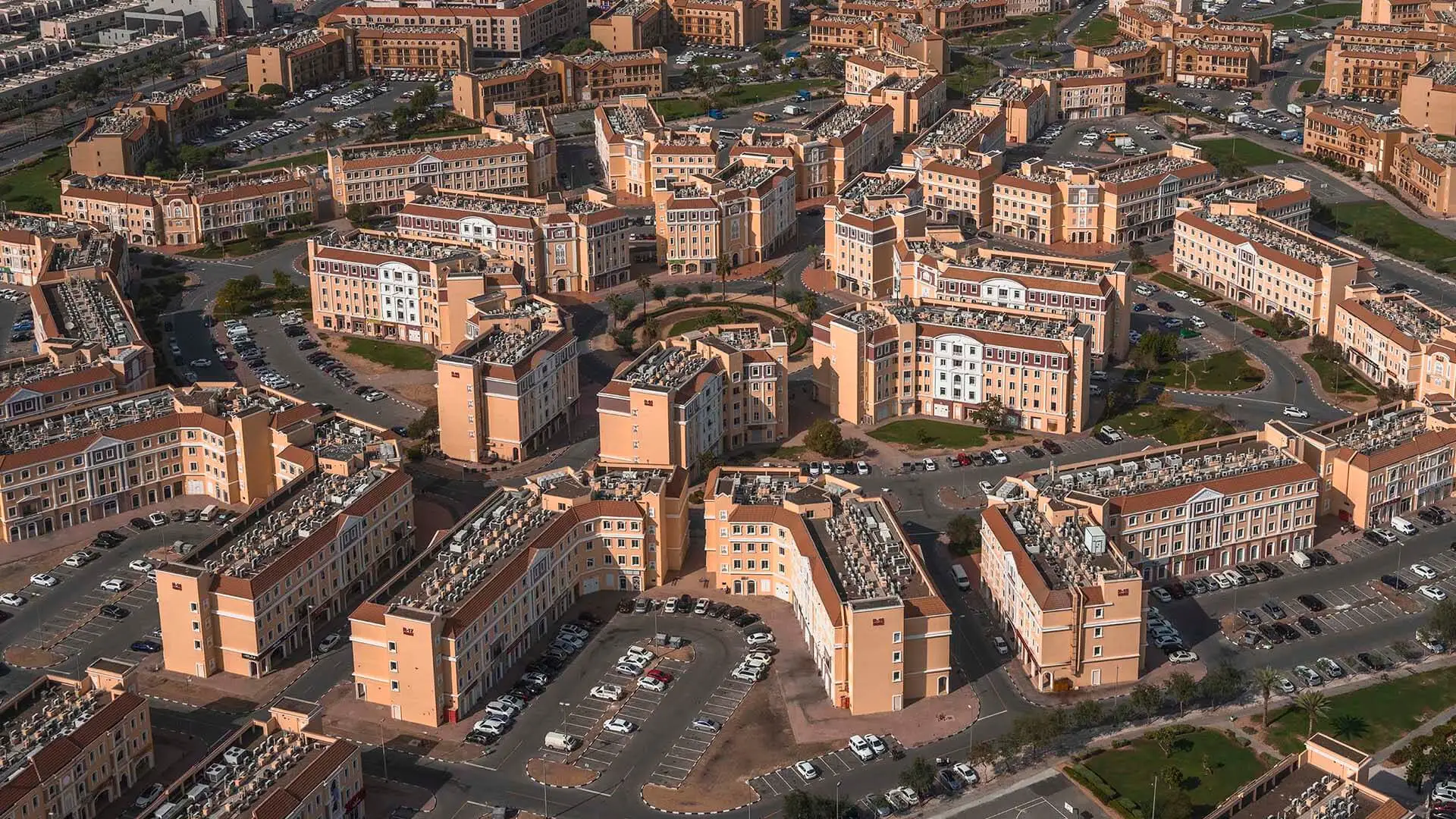
International City offers the strongest low-entry price-to-rent case here. For example, Property Finder reports apartments averaging about AED 562,000, AED 792 per sq. ft. and an 8.3% rental-yield indicator; meanwhile, one-bedroom units show about 8.6%.
In addition, its connectivity case is equally strong. International City 1 will be the Metro network’s largest underground interchange station, spanning more than 44,000 sq. m and designed for around 350,000 riders daily. However, investors should still compare building age, service charges, maintenance, future supply and actual walking distance. Overall, it best suits yield-focused buyers.
2. Dubai Silicon Oasis – Best All-Round Blue Line Investment Case
Dubai Silicon Oasis offers the strongest balance of income, infrastructure and future Metro connectivity. For instance, Property Finder reports an average apartment asking price of about AED 1.17 million, AED 1,329 per sq. ft. and an 8.5% rental-yield indicator.
In addition, Dubai announced AED 12.8 billion of strategic DSO expansion projects in January 2026. Notably, the AED 1.8 billion first phase of Block 14, located near the future Blue Line station, is planned for completion in 2029. As a result, this pipeline could strengthen the wider ecosystem.
However, it also adds new supply, making ready-versus-off-plan pricing and future resale competition important considerations for investors
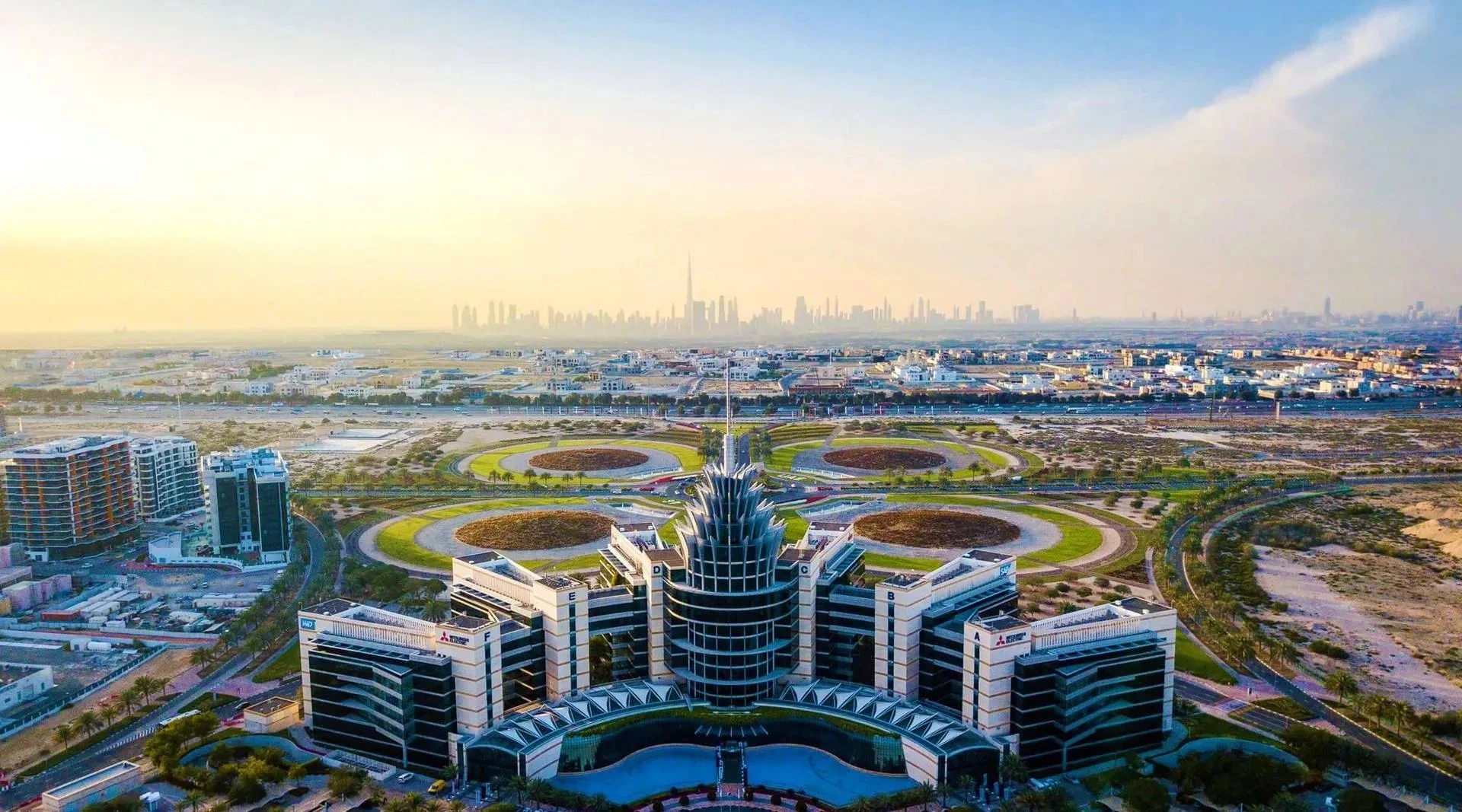
Official source: Dubai Media Office – Dubai Silicon Oasis expansion projects
3. Mirdif – Best for Established Family and End-User Demand
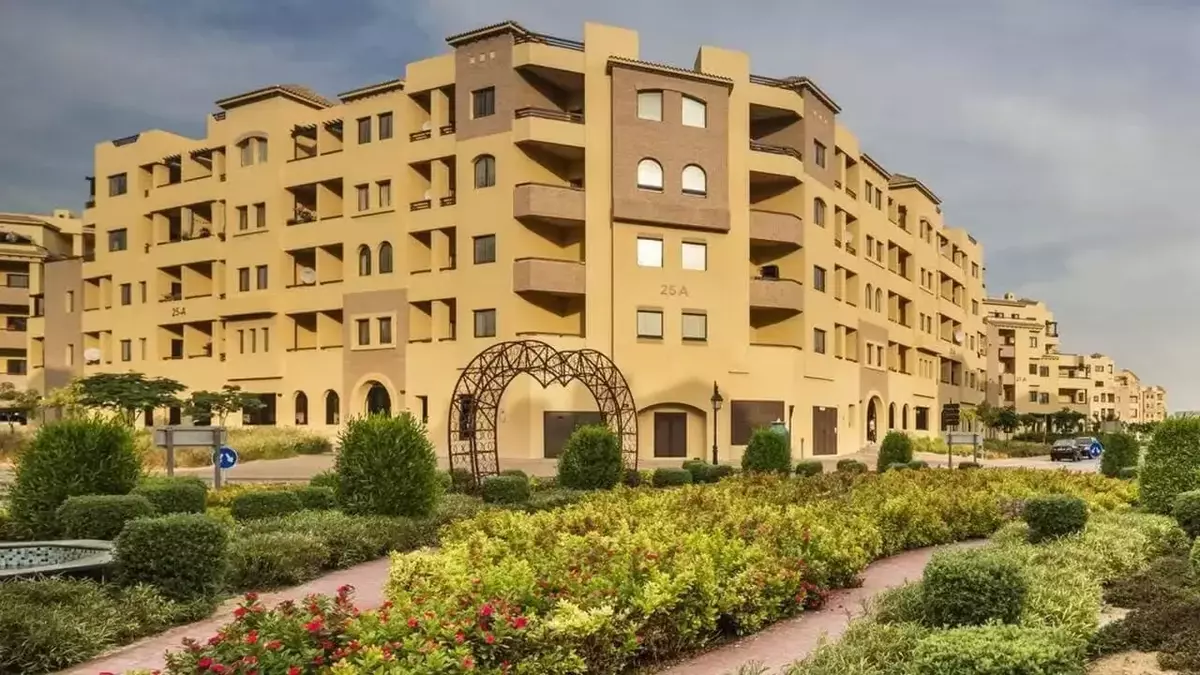
Mirdif is less about budget apartments and more about established family demand and selective investment stock. The Blue Line’s second route passes through Mirdif and Al Warqa before reaching International City 1.
Property Finder reports apartments averaging about AED 2.27 million, AED 1,227 per sq. ft. and a 6.21% rental-yield indicator. Mirdif already has schools, parks, malls and airport proximity; Metro access addresses its existing dependence on road transport.
4. Dubai Creek Harbour – Best for Premium Long-Term Investors
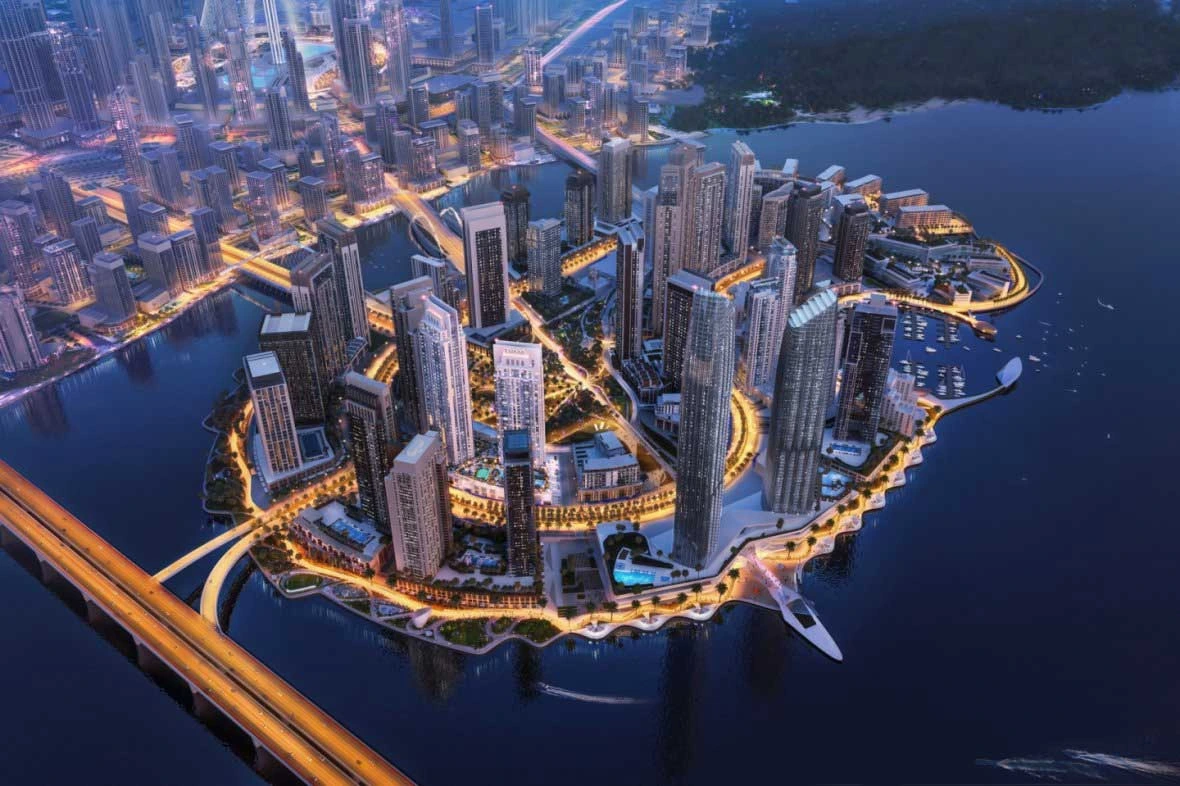
Dubai Creek Harbour has a strong Blue Line location story, but investors pay a premium. Property Finder reports an average apartment asking price of about AED 2.89 million, AED 2,557 per sq. ft. and a 5.65% rental-yield indicator.
The iconic Emaar Properties Station at Dubai Creek Harbour will rise 74 metres and cover approximately 11,000 sq. m. RTA says it will have capacity for around 160,000 riders daily, with more than 70,000 daily users expected by 2040.
The thesis is waterfront lifestyle, masterplan quality, premium demand and future rail access-not maximum yield. Investors should compare tower, view, handover timing, service charges and competing supply.
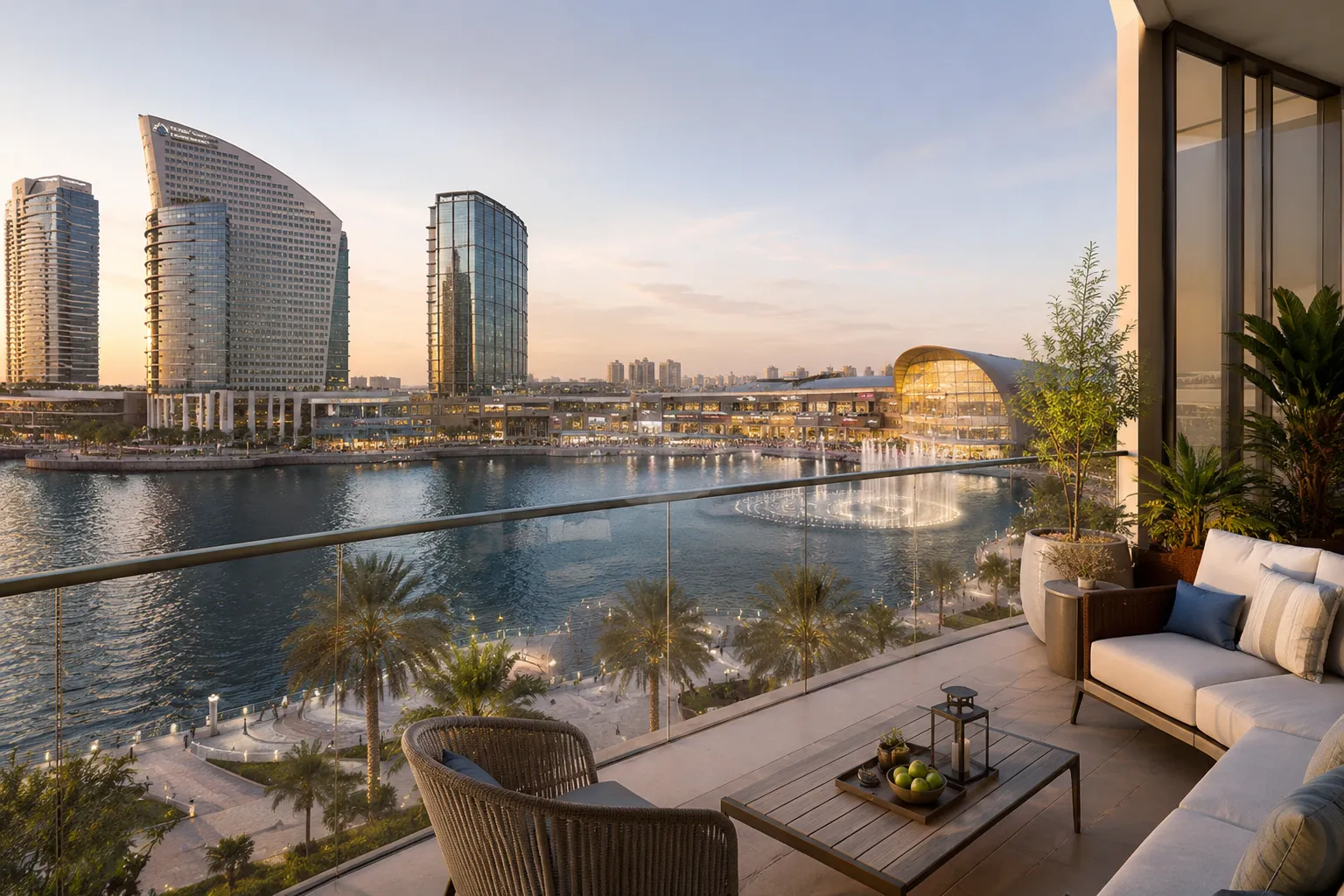
5. Dubai Festival City – Best for Established Infrastructure
Dubai Festival City adds future Metro access to an already mature waterfront district. Property Finder reports apartments averaging about AED 3.16 million, AED 1,505 per sq. ft. and a 4.94% rental-yield indicator.
Existing retail, hotels, road connectivity, its Creek setting and proximity to Dubai International Airport reduce reliance on the Metro as a single catalyst. Its lower current yield makes it better suited to higher-budget investors prioritizing established infrastructure and long-term connectivity over maximum rental income.
What Happened to Dubai Property Before and After Earlier Metro Connectivity?
Dubai’s existing Metro provides evidence that transport connectivity can influence property values-but it does not provide a formula for Blue Line appreciation.
A peer-reviewed study using 2007–2011 RERA transaction data examined property values around Dubai Metro before and after operations began. Its difference-in-differences model found a 7.8% positive effect on residential sale values within 1 km of a station compared with properties farther away. A more granular model found the strongest residential effect at 701–900 metres, at around 13%, while properties very close to stations sometimes showed a negative effect.
A separate Knight Frank study on Dubai Metro and residential property found that between Q1 2010 and Q1 2018, Dubai mainstream residential prices rose 28%, compared with 51% for homes within a five-minute walk of selected Red Line stations, 58% within 10 minutes, and 33% within 15 minutes.
The same research found an interesting example in Jumeirah Lakes Towers (JLT): between Q1 2014 and Q1 2018, buildings around 15 minutes from Metro stations recorded rental values up to 24% lower than buildings within a five-minute walk.
The lesson is not “Metro guarantees appreciation.” Accessibility matters, but amenities, supply and building quality can matter just as much.
Why Academic City and Al Warqa Are Watchlist Areas, Not Top-Five Buys Yet
RTA projects Academic City will accommodate more than 50,000 university students by 2029, creating an obvious potential rental-demand base. However, directly comparable residential investment data is less mature than in Dubai Silicon Oasis or International City, so forcing Academic City into the ranking would overstate the available evidence.
Al Warqa will also gain Blue Line service, but investable stock, ownership structure and property-level data require more selective analysis. Both merit monitoring.
Risks to Consider Before Investing Near the Dubai Metro Blue Line
- Buying a property marketed as “near the Metro” without checking the actual station entrance and walkability.
- Paying tomorrow’s Metro premium in today’s purchase price.
- Ignoring competing handovers and future rental supply.
- Quoting gross yield without accounting for service charges, vacancy and maintenance.
- Comparing asking prices instead of registered transactions.
The Dubai Land Department Real Estate Data portal provides transaction, rental and project data, making it useful for validating a specific purchase rather than relying only on advertised prices.
Conclusion
The Dubai Metro Blue Line property investment opportunity is about more than station proximity. The strongest areas will be those combining competitive entry prices, rental demand, infrastructure and manageable future supply.
With the Blue Line scheduled to open in 2029, investors should focus on fundamentals rather than speculative price forecasts.
Looking for property opportunities near the Dubai Metro Blue Line? Speak with Solera Realty.