


The Iran war impact on Dubai real estate has been a short, sharp correction that is now stabilising. The ValuStrat Price Index fell about 10% from March to June 2026, then flattened. Dubai Land Department (DLD) data shows H1 2026 sales of AED 286.44bn, the second-highest first half on record.
When missiles and drones targeted the UAE on 28 February 2026, many investors feared the worst for Dubai property. Headlines warned of capital flight, and social media posts predicted a crash of 20% or more.
Seven months later, the data shows the Iran war impact on Dubai real estate has been far more measured. Prices corrected, rents softened and buyers turned selective, but the market kept working, and by July and August several indicators had turned back up.
This guide breaks down the Dubai real estate market 2026 data on Dubai property prices, sales, Dubai rents and visas. More importantly, it explains what each shift means if you are buying, renting or investing today.

Key Takeaways: Iran War Impact on Dubai Real Estate
- Prices: down ~10% March–June; July −0.3%.
- Sales: H1 2026 AED 286.44bn, −12.3% YoY.
- Rents: new leases −34% in March.
- Policy: two-year visa property floor scrapped.
- Recovery: monthly falls down to 0.3%; sales and mortgages rising again.
- Geopolitics: Strait of Hormuz still disrupted, but UAE bypass routes are working.
2026 Iran War Timeline: Tracking the Iran War Impact on Dubai Real Estate
Dubai's property market was hit on 28 February 2026, when Iran fired missiles and drones at the UAE hours after US–Israeli strikes. Ceasefires in April and June both broke down, and the conflict remains unresolved as of mid-September 2026.
To understand the Iran war impact on Dubai real estate, it helps to line up conflict events against property data. The pattern is clear: the biggest shock came in the first weeks, and later escalations moved prices far less.
| Date (2026) | Conflict event | Property market reaction |
|---|---|---|
| 28 Feb | Strikes on Iran; UAE targeted | Investor sentiment drops |
| 1–12 Mar | Strait of Hormuz disrupted | UAE transaction volume −37% YoY, −49% MoM |
| March | Geopolitical risk priced in | Prices −5.9% MoM, first fall since the pandemic recovery |
| 7–8 Apr | Ceasefire agreed | Decline narrows to −1.9% |
| Mid-Jun | Memorandum to end the war | Sales recover to 13,759 |
| 8 Jul | Ceasefire collapses | Prices −0.3%; no second panic |
Sources: Goldman Sachs; ValuStrat; DLD.
March was the turning point. With Strait of Hormuz shipping disrupted and geopolitical risk suddenly front of mind, many buyers simply paused and deals were delayed.
The reaction to July's ceasefire collapse was much calmer. Prices slipped only 0.3%, which suggests buyers had already priced in a longer conflict.
It is also worth remembering that not every decline is war-driven. Fitch had forecast a correction of up to 15% for 2025–26 before the conflict began, as a large wave of new supply approached completion.
The Strait of Hormuz: The Geopolitics Behind Dubai's Property Market
The Strait of Hormuz is the narrow sea lane between Iran and Oman's Musandam peninsula, and it is the Gulf's only sea route to world markets. Its closure, rather than the missiles alone, is what turned a regional war into an economic event, and it explains much of the Iran war impact on Dubai real estate.
Where the Strait Sits, and Why It Matters
The strait is just 33km wide at its narrowest point. Every cargo leaving the Arabian Gulf by sea, from Kuwaiti crude to Qatari LNG and containers bound for Jebel Ali, has to pass through it.
Traffic is still far below normal. IMF PortWatch recorded 8 transits on 13 September 2026, against a pre-crisis baseline of about 85 a day, with US naval escorts moving as many as 40 commercial vessels on their best days.
How the Closure Hit the Global Economy
The shock was immediate and global. Because Gulf oil has no alternative sea route, prices repriced within weeks.
- Brent crude rose about 65% by the end of March, its largest monthly increase on record (World Bank).
- The IEA called it the largest supply disruption in the history of the oil market.
- Global oil output fell 6.9 million barrels per day in Q2 2026, the steepest quarterly drop since the pandemic.
- Dallas Fed modelling put the hit to annualised global GDP growth at 2.9 percentage points in Q2 2026.
How the UAE Responded
The UAE was among the most exposed economies, and also among the fastest to adapt. Jebel Ali, whose wider ecosystem accounts for more than a fifth of Dubai's GDP, lost over 90% of its container activity in the first weeks of the war.
The response came through infrastructure. Crude was rerouted overland to Fujairah, which sits on the Gulf of Oman outside the strait.
| Impact | Global | UAE |
|---|---|---|
| Trade flow | ~20% of world oil and LNG disrupted | Jebel Ali container traffic down 90%+ early in the war |
| Workaround | Longer routes, higher war-risk insurance | Habshan–Fujairah pipeline: 1.5m bpd, up to 1.8m at a push |
| Result so far | Global GDP growth cut in Q2 2026 | Fujairah exports rose to 1.62m bpd in March, from 1.17m in February |
| Next step | Chokepoint risk repriced worldwide | Second pipeline about 50% built, doubling Fujairah capacity by 2027 |
Sources: World Bank; Dallas Fed; IEA; INSS; Kpler via Al Jazeera; CNBC; IMF PortWatch.
The UAE is also expanding Fujairah, Khor Fakkan and Dibba ports and the rail links behind them. The Institute of International Finance expects UAE GDP to shrink slightly in 2026, then rebound sharply in 2027 as this capacity comes online.
This context matters for property. The Iran war impact on Dubai real estate arrived through trade, oil and sentiment rather than physical damage, and the city still recorded its second-best first half on record, which says more about underlying housing demand than any single month of price data.
Iran War Impact on Dubai Real Estate Prices: What the Data Shows
The Iran war impact on Dubai real estate prices was a ~10% index decline from March to June 2026. July fell just 0.3%: a price correction, not a Dubai property market crash in 2026.
That distinction matters. A crash usually involves forced selling and disappearing liquidity. Dubai instead saw a sharp first-month drop followed by steadily smaller monthly declines, a pattern that typically signals a market searching for its floor.
Dubai Property Prices 2026: Month-by-Month Index
To measure the Iran war impact on Dubai real estate accurately, an index is more reliable than individual listings. The ValuStrat Price Index (VPI) tracks residential values across 70+ communities using comparable sales and market data.
The index stood at 219.2 points in July 2026, 1.6% lower year on year. The chart below tracks Dubai property prices after the Iran conflict began, showing how quickly monthly declines slowed after March.
| Month (2026) | VPI (points) | Month on month | Year on year |
|---|---|---|---|
| February (pre-war) | 243.6* | — | — |
| March | 229.2 | −5.9% | +8.9% |
| April | 224.9 | −1.9% | +5.3% |
| May | 222.2* | −1.2% | — |
| June | 220.0 | −1.0% | +0.1% |
| July | 219.2 | −0.3% | −1.6% |
*Calculated from published monthly changes.
Put simply, prices have handed back their gains since mid-2025. That feels significant, but it follows one of the strongest property booms in Dubai's history.
- Values are back near mid-2025 levels after rising about 60% between 2022 and early 2025.
- Viral "20–34% crash" claims don't reflect residential price indices, which show a correction of around 10%.
For owners who bought before 2025, most paper gains remain intact. The pressure fell mainly on recent buyers and investors who planned quick resales, and even that has eased as monthly declines faded toward zero.
Villas vs Apartments: Who Fell Harder?
The Iran war impact on Dubai real estate did not hit every property type equally. Apartments fell slightly harder at first, and they have also been slower to recover.
- Villas: −5.8% in March, −1.7% in April; flat YoY by July.
- Apartments: −6.3% in March, −2.2% in April; still down YoY in July.
- Takeaway: end-user demand recovered faster.
The difference largely comes down to who buys each type. Villas are mostly bought by families planning to live in them, while apartments attract more investors and resellers, who tend to react faster to headlines.
Dubai Property Transactions in 2026: A Slowdown, Not a Shutdown
Dubai recorded AED 286.44bn in H1 2026 property sales, 12.3% below record H1 2025 but still the second-best first half ever.
Prices tell only half the story of the Iran war impact on Dubai real estate. Transaction volume shows whether buyers are still active, and in Dubai they clearly are, even if they are more cautious and price-sensitive than a year ago.
H1 2026 vs H1 2025 Sales
The Dubai Media Office reported AED 252bn in Q1 2026 transactions (+31%), largely pre-war. Q2 better shows the Iran war's impact on Dubai property sales.
Keep in mind that H1 2025 was an all-time record. Falling 12.3% from that peak while remaining the second-best first half ever means the Iran war impact on Dubai real estate shows up in the volume data as a slowdown, not a market in freefall.
| Metric | H1 2025 | H1 2026 | Change |
|---|---|---|---|
| Property sales value | AED 326.6bn | AED 286.44bn | −12.3% |
| Sales deals | — | 86,000+ | — |
| All deals incl. mortgage transactions | — | AED 419.94bn (112,850) | — |
| Q1 transactions | — | AED 252bn | +31% YoY |
| Q2 sales | — | AED 110bn+ (38,300 deals) | — |
Sources: DLD; W Capital.
The more telling number is Q2. With AED 110bn+ in sales across 38,300 deals, the war-affected quarter was clearly softer than Q1, but activity never stopped.
Ready vs Off-Plan Property Sales
One of the clearest shifts in 2026 is where buyers are putting their money. When uncertainty rises, completed homes with a title deed look safer than projects that will not be handed over for years.
- Ready: AED 146.69bn from 27,160 deals. Off-plan: AED 139.75bn from 58,840 deals.
- Buyers shifted value toward secondary market, title-deed homes.
- Dubai off-plan property 2026 (Oqood registration) still led volume: 73% of July sales.
This does not mean off-plan demand has disappeared. Payment plans still attract buyers with smaller upfront budgets, but investors are now looking harder at delivery risk and developer track records.
Monthly Momentum: June to August 2026
Recent months suggest the sharpest phase of the Iran war impact on Dubai real estate has passed. Sales rose from June to July, and July's sales value grew 6.9% month on month.
- June: 13,759 sales, AED 32.64bn.
- July: 13,930 sales, AED 34.88bn.
- August: 11,600 sales, AED 27.89bn; average ticket AED 2.4M.
- Jan–Aug: AED 523.44bn across 148,564 transactions.
August's dip should be read with care. It is traditionally one of Dubai's quietest months, as many residents travel over summer, so the drop is largely seasonal rather than war-driven.
Source: DLD data.
How the Iran War Impact on Dubai Real Estate Is Reshaping the Rental Market
How has the Iran war affected Dubai rents? It tilted the Dubai rental market 2026 toward tenants: new leases fell 34% in March and landlords added tenant incentives and cheque flexibility.
For tenants, the Iran war impact on Dubai real estate has brought a welcome change. After several years of steep rent increases, renters now have more choice and more room to negotiate, especially on new leases.
Long-Term Rents and Tenant Leverage
Dubai signed 12,800 new rental contracts in March, according to DLD rental data reported by AGBI. That was a 34% drop from February, as many households delayed moving decisions.
Existing tenants mostly stayed put. Renewal values dipped just 2%, compared with a 5% fall in new contract values.
| Rental indicator | Figure |
|---|---|
| New rental contracts (March vs February) | 12,800 (−34%) |
| New contract values (March vs February) | −5% |
| Q1 2026 rental contracts | AED 32.2bn (118,385 new; 135,607 renewals) |
| Q1 contract cancellations | −25% |
| Average rents (to April) | −6.7% |
Sources: DLD; Property Finder.
The balance of supply and demand explains the shift. More homes are available to rent while fewer people are actively searching, which naturally hands leverage to tenants.
- Betterhomes recorded rental listings up 23% and tenant enquiries down 16%.
- Prime areas such as Downtown Dubai, Palm Jumeirah and JLT saw rents fall around 15%.
- Landlords increasingly compete with discounts and cheque flexibility.
If your lease is due for renewal, compare your rent with similar listings nearby before signing. Our Dubai tenants guide explains your rights and the renewal process.
Short-Term Rentals: The Hardest-Hit Segment
Holiday homes felt the Iran war impact on Dubai real estate most directly. As tourist arrivals dropped, investors who relied on nightly rates saw their income fall within weeks.
- Holiday-home occupancy fell to 17% and RevPAR to USD 22 in April.
- Booked nights fell 57%, from 426,992 in April 2025 to 183,410 in April 2026.
- Stays of 29+ nights more than tripled as displaced residents replaced tourists.
The lesson for investors is simple: short-term rental income is the most sensitive to geopolitical risk. Re-test any rental yield projection built on holiday-home income before you buy.
Source: Rental Scale-Up, April 2026.
Which Dubai Property Segments Held Up Best?
Ready homes, villas and prime deals held up best under the Iran war impact on Dubai real estate. Short-term rentals and high-supply communities took the most pressure, and both are now recovering from a lower base.
The scorecard below shows how each segment performed. The common thread is certainty: properties buyers could inspect, move into or rent out immediately held their value best.
| Segment | Verdict | Evidence |
|---|---|---|
| Ready homes | Resilient | July transactions +11.4% MoM; August prices +0.8% |
| Villas & townhouses | Recovered | Flat YoY by July |
| Ultra-luxury segment (AED 30M+) | Negotiable | 19 deals above AED 30M in June; AED 2.36bn in asking-price cuts |
| Off-plan apartments | Higher risk | Exposed to handovers |
| High-supply communities | Pressure | JVC 16,852 and Business Bay 10,127 units due by 2027 |
| Short-term rentals | Weakest | 17% occupancy in April |
Sources: ValuStrat; AGBI; Fortune.
The ultra-luxury segment is an interesting case. High-end deals continued throughout the conflict, but sellers had to accept tougher negotiation, with billions of dirhams cut from asking prices.
- Pattern: buyers favoured homes they can live in or rent now over speculative flips.
- To invest in Dubai property in 2026, check the handover pipeline first, especially in areas like Business Bay.
For buyers in the AED 600K–2M range, the Iran war impact on Dubai real estate has been mildest in affordable, end-user districts, so supply is the key watchpoint. Communities with thousands of units due for handover may offer better entry prices, but they also bring more competition for tenants.
Government Response: 2026 Visa Reforms and the Iran War Impact on Dubai Real Estate
Dubai eased residency in April 2026, scrapping the AED 750,000 two-year visa floor and unifying services on a GDRFA–DLD platform.
These reforms matter because they lower the barrier to residency through property. For mid-market buyers, a UAE visa is no longer reserved for expensive homes.
| Date | Reform | Who benefits |
|---|---|---|
| 20 Feb 2026 (pre-war) | Golden Visa 50% down-payment rule scrapped; AED 2M DLD valuation suffices | Off-plan buyers |
| 24 Apr 2026 | Unified visa platform | All investors |
| 29 Apr 2026 | Taskeen visa floor removed for sole owners; AED 400K per share for joint owners | Mid-market buyers |
Source: Middle East Briefing, Dubai property investor visa 2026 rules.
The April change is especially relevant for the mid-market. Previously, a property had to be worth at least AED 750,000 to support a two-year visa; now sole owners of a completed home qualify regardless of value.
- Dubai two-year investor visa, no minimum property value: title deed required; off-plan contracts don't qualify.
- Dubai Golden Visa property 2026: the 10-year Golden Visa still requires property worth AED 2M or more.
- The February Golden Visa change predates the war and was not a war response.
Faster processing also helps. By bringing Golden, Retiree and Property Owner visas onto one GDRFA–DLD platform, Dubai reduced paperwork for investors at a time when many were weighing risk. For more detail, see our Dubai property FAQs.
Signs of Recovery: The Iran War Impact on Dubai Real Estate Is Fading
The recovery is visible in the monthly data. Price declines have shrunk to almost nothing, sales volumes and mortgage lending are rising again, and the median price per square foot edged up in August.
The clearest evidence is the shape of the correction. Each month since March, the fall has been smaller than the one before.
| Recovery signal | Latest reading | Source |
|---|---|---|
| Monthly price change | −0.3% in July, from −5.9% in March | ValuStrat |
| Median price per sq ft | AED 1,693 in August, up from AED 1,680 in July | Projectory Research |
| Secondary market sales | 8,887 in June to 9,217 in July (+3.8%) | Property Finder |
| Mortgage share of deals | 9% in June to 12.8% in July | Mortgage Finder |
| Mortgage lending | AED 14.36bn in August | DLD data |
| Ready-home transactions | +11.4% month on month in July | ValuStrat |
| Tenant enquiries | +20% year on year in Q2, after falling in Q1 | Betterhomes |
Mid-market buyers are leading the way back. Mortgage applicants earning AED 20,000 to AED 59,999 a month made up 62.4% of July's mortgage activity, which is the core of the AED 600K–2M segment.
Affordable, end-user communities are already posting annual gains. ValuStrat's July index shows Dubai Sports City apartments up 5.4% and Al Quoz Fourth up 5% year on year, even while citywide prices were slightly negative.
Property Finder described July as a market that had moved back into growth, with volumes and values rising together. That is a different phase of the Iran war impact on Dubai real estate from the one Dubai was in during March.
Key Risks to Watch as the Recovery Builds
Will Dubai property prices fall in 2026? The monthly data points to stabilisation rather than further steep falls, but three risks could slow the recovery: the conflict, new supply and slower expat population growth.
Is Dubai real estate safe to invest during war? No forecast is certain while fighting continues. However, how long the Iran war impact on Dubai real estate lasts will largely depend on the three factors below.
- Conflict: Hormuz attacks ended the ceasefire on 8 July; no settlement by mid-September.
- Supply: about 120,000 units are forecast for handover in 2026, adding oversupply pressure (market estimate).
- Demand: Citi expects population growth to slow to 1% in 2026, from about 4% in recent years.
- Upside: a durable peace deal could quickly release delayed demand and safe-haven capital.
None of these cancels the recovery, and supply is the risk buyers can control most. Choosing a community where handovers are limited helps reduce exposure to falling rents, even if geopolitical uncertainty lingers.
Is It a Good Time to Buy? Iran War Impact on Dubai Real Estate for AED 600K–2M Buyers
Is it a good time to buy property in Dubai in 2026? For prepared buyers, the window is attractive: prices sit about 10% below pre-war levels, sellers still negotiate, and any completed unit qualifies a sole owner for a two-year visa, all while the market is turning back up.
The Iran war impact on Dubai real estate has shifted negotiating power toward buyers. Sellers who listed at early-2026 prices are adjusting, and well-prepared buyers can secure better terms.
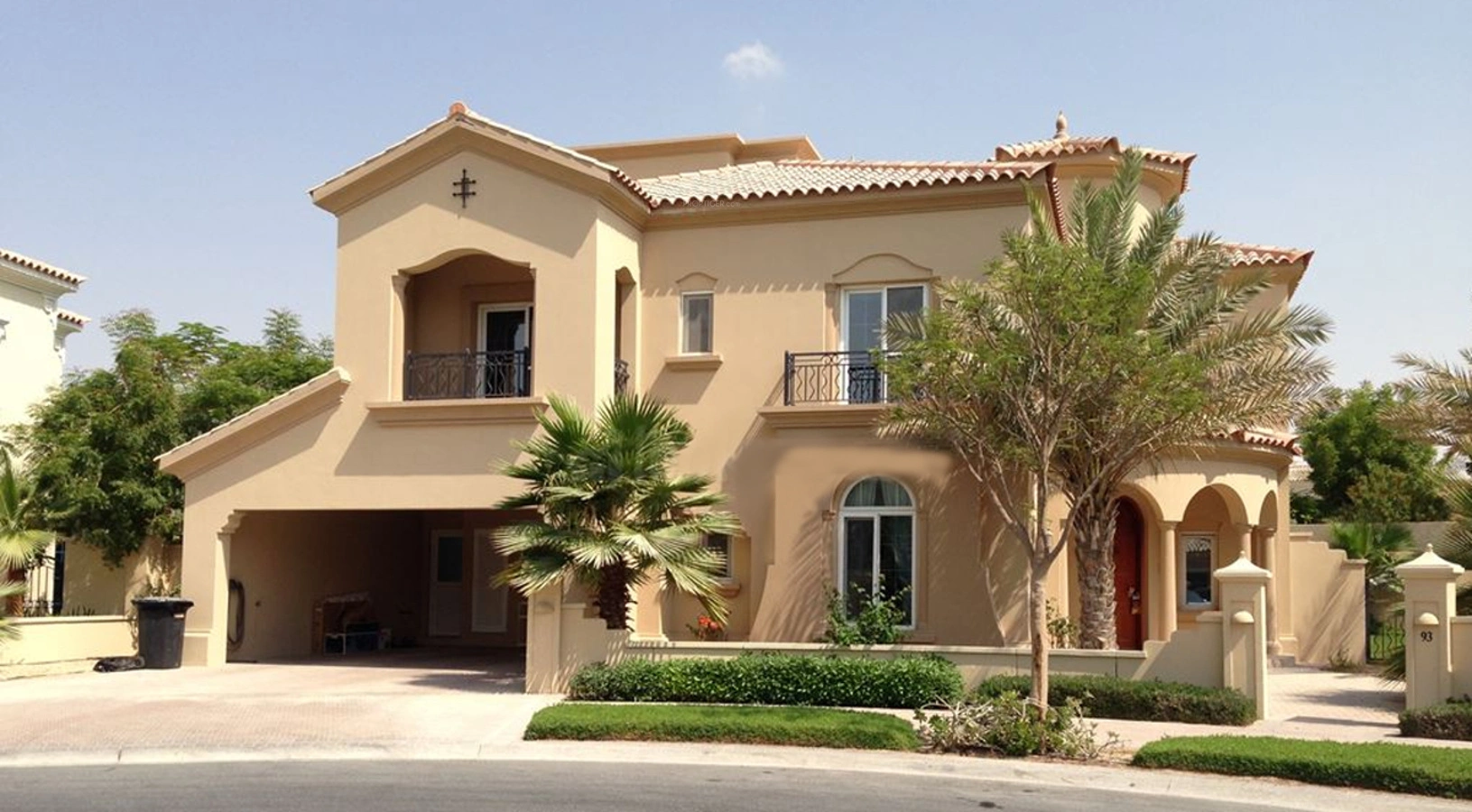
That said, a lower price is only a good deal if the property fits your goals. Use this checklist before any Dubai investment decision:
- Compare asking prices with DLD registered sale prices, not portal listings.
- Check the 2026–27 handover pipeline in your target community.
- Model rental yield on long-term leases, not holiday-home income.
- AED 600K–2M ready unit: sole owners qualify for the two-year visa (title deed required).
- AED 2M+, including off-plan by DLD valuation: Golden Visa eligible.
- For off-plan, verify escrow, construction progress and the payment plan.
Your strategy should also depend on why you are buying. The table below matches each buyer profile to the approach that suits current conditions.
| Buyer profile | 2026 strategy |
|---|---|
| End-user | Target ready homes with a title deed and negotiate on secondary market listings |
| Yield investor | Favour long-let apartments in lower-supply areas; avoid holiday-home yield assumptions |
| Visa-seeker | Any completed unit (sole owner) for the two-year visa; AED 2M+ for the Golden Visa |
Before committing, run your numbers with our investment calculator and read our investors guide for step-by-step buying guidance.
Market information, not financial advice. No returns guaranteed.
The Bottom Line: Iran War Impact on Dubai Real Estate and What Comes Next
The Dubai property market after the Iran war began shows a correction that has now largely run its course. Prices fell about 10% while sales stayed near record levels, rents softened, and new visa rules widened the pool of eligible buyers.
The direction of travel has changed. Monthly price falls have nearly stopped, sales and mortgage lending are climbing, and mid-market communities are posting annual gains again, even with the Strait of Hormuz still disrupted.
For selective buyers, the Iran war impact on Dubai real estate has opened negotiating room in a market that is recovering rather than sliding. Buy on verified data, avoid oversupplied pockets, and treat the remaining geopolitical risk as a reason to be selective rather than absent.
Looking for property opportunities near the Dubai Metro Blue Line? Speak with Solera Realty.